
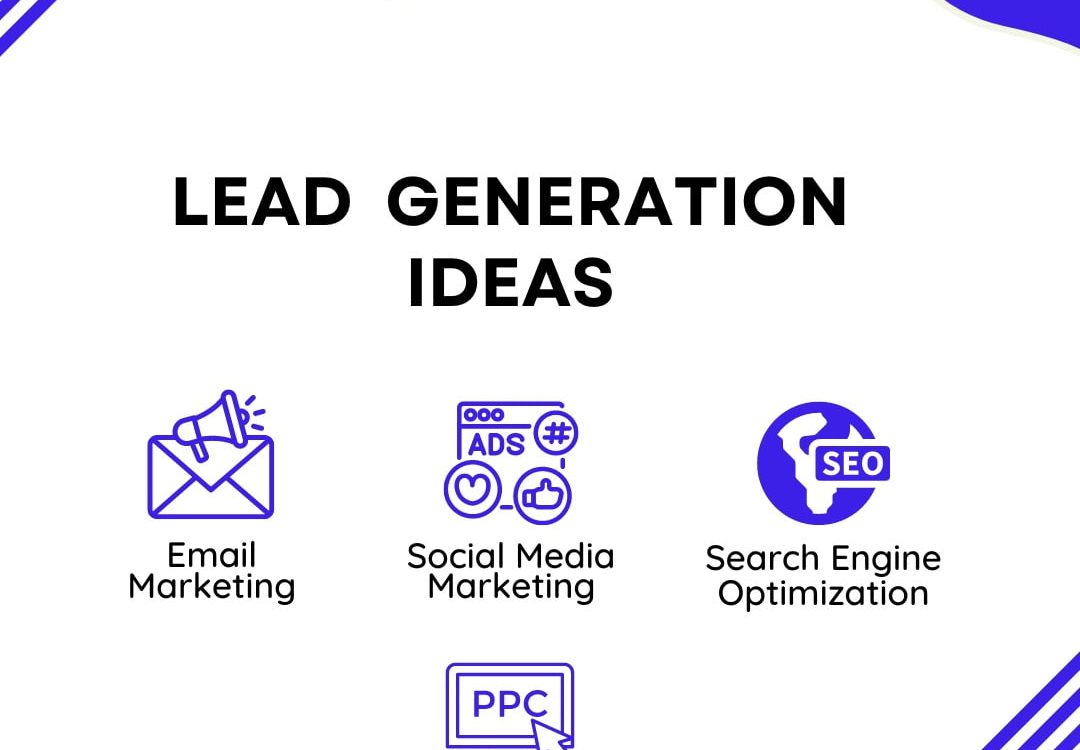
Increase Sales with Powerful Lead Generation Techniques

lead generation

Increase Sales with Powerful Lead Generation Techniques

In the digital age, where competition is fierce and customer attention is fragmented, lead generation has become a crucial aspect of any business’s growth strategy. It’s not just about attracting any traffic to your website but about capturing the interest of potential customers and converting them into leads that can be nurtured into paying clients. In this blog, we’ll explore what lead generation is, why it’s vital for your business, and the strategies you can implement to
generate high-quality leads.

What is Lead Generation?

Lead generation is the process of attracting and converting prospects into individuals who have expressed interest in your company’s products or services. This interest is captured by collecting contact information through forms, landing pages, or direct communication channels like social media. The goal is to guide these prospects through your sales funnel until they are ready to make a purchase.

Leads are typically categorized into two types: Marketing Qualified Leads (MQLs) and Sales Qualified Leads (SQLs). MQLs are leads that have shown interest in your marketing efforts but may not be ready to buy just yet. Conversely, SQLs are leads that have shown a strong desire to buy and are deemed prepared for direct sales interaction.

Why is Lead Generation Important?

Lead generation is essential because it fuels your sales pipeline with potential customers. Without a steady flow of leads, your sales team will have fewer opportunities to convert prospects into paying customers. Effective lead generation ensures that your marketing and sales efforts are directed towards individuals who are most likely to benefit from your offerings, thereby maximizing your return on investment (ROI).

Lead generation also contributes to the development of credibility and brand recognition.. By consistently providing valuable content and engaging with your target audience, you position your business as a trusted resource, making prospects more likely to choose your products or services when they’re ready to buy.


Key Lead Generation Strategies

Content Marketing

By creating and sharing valuable content, such as blog posts, eBooks, whitepapers, and videos, you can attract your target audience and encourage them to engage with your brand. Optimize your content for search engines (SEO) to increase its visibility and drive organic traffic to your website.


A key tactic within content marketing is the use of lead magnets—free resources offered in exchange for contact information. For instance, you could offer a free eBook or a checklist in return for a visitor’s email address. This not only generates leads but also provides you with a way to nurture those leads over time.

Social Media Marketing

Social media platforms like LinkedIn, Facebook, Instagram, and Twitter are powerful channels for lead generation. These platforms allow you to reach a large audience, engage with potential customers, and share content that drives traffic to your website. By running targeted ads on these platforms, you can reach specific demographics that are more likely to be interested in your products or services.

To maximize lead generation on social media, ensure that your profiles are fully optimized and that you’re regularly posting content that resonates with your audience. Encourage interactions by asking questions, running polls, or hosting live sessions where you can engage with your audience in real time.

Email Marketing

Email marketing remains a cornerstone of lead generation. By sending targeted and personalized messages to your audience, you can nurture leads and guide them through the sales funnel. Segment your email list based on user behavior and preferences to ensure that your messages are relevant and engaging.

Automation plays a significant role in email marketing. By setting up automated email sequences, you can send timely and relevant content to leads based on their actions, such as downloading a resource or visiting a particular page on your website. This motivates leads to get closer to making a purchase and maintains your brand at the forefront of their minds.

Search Engine Optimization (SEO)

SEO is a crucial component of lead generation because it helps drive organic traffic to your website. By optimizing your website’s content and structure for search engines, you increase the likelihood of appearing in search results when potential customers are looking for solutions related to your offerings. Because it draws in leads from your target location, local SEO is especially crucial for companies that cater to particular regions.

Pay-Per-Click (PPC) Advertising

PPC advertising, such as Google Ads or Facebook Ads, allows you to target specific keywords and demographics, driving high-quality traffic to your website. The key to successful PPC campaigns is ensuring that your ads are highly relevant to your target audience and that they lead to well-optimized landing pages designed to convert visitors into leads.

Conclusion

Lead generation is a continuous activity that calls for a methodical approach and persistent work.. By implementing the right mix of content marketing, social media marketing, email marketing, SEO, and PPC advertising, you can attract and convert leads that drive business growth. Remember, the key to successful lead generation is understanding your audience’s needs and providing them with valuable content and experiences that build trust and encourage them to take action.

Investing time and resources into effective lead generation strategies will not only boost your sales but also help you establish lasting relationships with your customers, ensuring long-term success for your business.

Increase Sales with Powerful Lead Generation Techniques

In the digital age, where competition is fierce and customer attention is fragmented, lead generation has become a crucial aspect of any business’s growth strategy. It’s not just about attracting any traffic to your website but about capturing the interest of potential customers and converting them into leads that can be nurtured into paying clients. In this blog, we’ll explore what lead generation is, why it’s vital for your business, and the strategies you can implement to
generate high-quality leads.

What is Lead Generation?

Lead generation is the process of attracting and converting prospects into individuals who have expressed interest in your company’s products or services. This interest is captured by collecting contact information through forms, landing pages, or direct communication channels like social media. The goal is to guide these prospects through your sales funnel until they are ready to make a purchase.

Leads are typically categorized into two types: Marketing Qualified Leads (MQLs) and Sales Qualified Leads (SQLs). MQLs are leads that have shown interest in your marketing efforts but may not be ready to buy just yet. Conversely, SQLs are leads that have shown a strong desire to buy and are deemed prepared for direct sales interaction.

Why is Lead Generation Important?

Lead generation is essential because it fuels your sales pipeline with potential customers. Without a steady flow of leads, your sales team will have fewer opportunities to convert prospects into paying customers. Effective lead generation ensures that your marketing and sales efforts are directed towards individuals who are most likely to benefit from your offerings, thereby maximizing your return on investment (ROI).

Lead generation also contributes to the development of credibility and brand recognition.. By consistently providing valuable content and engaging with your target audience, you position your business as a trusted resource, making prospects more likely to choose your products or services when they’re ready to buy.


Key Lead Generation Strategies

Content Marketing

By creating and sharing valuable content, such as blog posts, eBooks, whitepapers, and videos, you can attract your target audience and encourage them to engage with your brand. Optimize your content for search engines (SEO) to increase its visibility and drive organic traffic to your website.


A key tactic within content marketing is the use of lead magnets—free resources offered in exchange for contact information. For instance, you could offer a free eBook or a checklist in return for a visitor’s email address. This not only generates leads but also provides you with a way to nurture those leads over time.

Social Media Marketing

Social media platforms like LinkedIn, Facebook, Instagram, and Twitter are powerful channels for lead generation. These platforms allow you to reach a large audience, engage with potential customers, and share content that drives traffic to your website. By running targeted ads on these platforms, you can reach specific demographics that are more likely to be interested in your products or services.

To maximize lead generation on social media, ensure that your profiles are fully optimized and that you’re regularly posting content that resonates with your audience. Encourage interactions by asking questions, running polls, or hosting live sessions where you can engage with your audience in real time.

Email Marketing

Email marketing remains a cornerstone of lead generation. By sending targeted and personalized messages to your audience, you can nurture leads and guide them through the sales funnel. Segment your email list based on user behavior and preferences to ensure that your messages are relevant and engaging.

Automation plays a significant role in email marketing. By setting up automated email sequences, you can send timely and relevant content to leads based on their actions, such as downloading a resource or visiting a particular page on your website. This motivates leads to get closer to making a purchase and maintains your brand at the forefront of their minds.

Search Engine Optimization (SEO)

SEO is a crucial component of lead generation because it helps drive organic traffic to your website. By optimizing your website’s content and structure for search engines, you increase the likelihood of appearing in search results when potential customers are looking for solutions related to your offerings. Because it draws in leads from your target location, local SEO is especially crucial for companies that cater to particular regions.

Pay-Per-Click (PPC) Advertising

PPC advertising, such as Google Ads or Facebook Ads, allows you to target specific keywords and demographics, driving high-quality traffic to your website. The key to successful PPC campaigns is ensuring that your ads are highly relevant to your target audience and that they lead to well-optimized landing pages designed to convert visitors into leads.

Conclusion

Lead generation is a continuous activity that calls for a methodical approach and persistent work.. By implementing the right mix of content marketing, social media marketing, email marketing, SEO, and PPC advertising, you can attract and convert leads that drive business growth. Remember, the key to successful lead generation is understanding your audience’s needs and providing them with valuable content and experiences that build trust and encourage them to take action.

Investing time and resources into effective lead generation strategies will not only boost your sales but also help you establish lasting relationships with your customers, ensuring long-term success for your business.