
Mastering Customer Support: How to Efficiently Resolve Order Issues

Order Issues

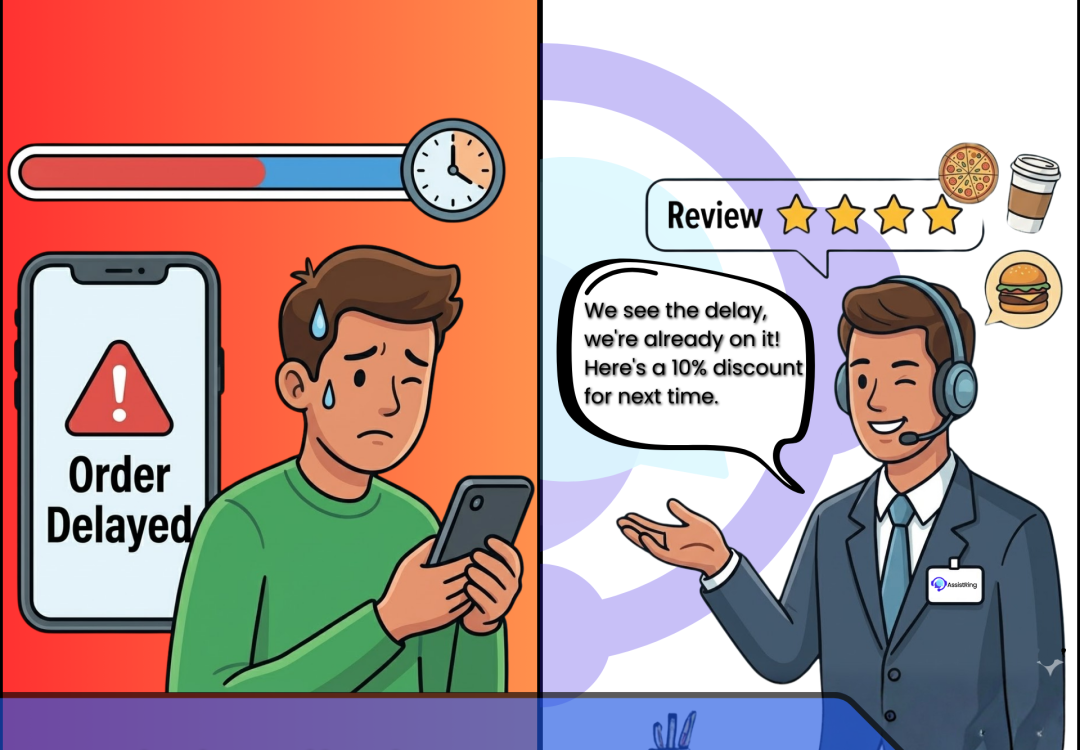
In the hyper-competitive landscape of modern e-commerce, the transaction does not end at the “Buy” button. For business owners and operations managers, the true test of brand loyalty occurs when the unexpected happens. When a customer encounters Order Issues, the way your company responds is often the deciding factor in whether they become a repeat buyer or a detractor who shares their frustration online.

Exceptional customer experience (CX) is no longer a luxury; it is a critical business imperative. By mastering the art of resolving Order Issues, organizations can protect their reputation, improve Customer Lifetime Value (CLV), and turn potential service failures into powerful demonstrations of commitment.

Common Categories of Order Issues

To build an efficient resolution framework, you must first categorize the friction points. Most Order Issues fall into four distinct buckets, each requiring a specific tactical approach:

  • Shipping Delays: These are often the most common Order Issues, frequently driven by logistics bottlenecks or carrier failures. Customers expect transparency, and when communication lapses, anxiety spikes.
  • Damaged or Incorrect Items: Receiving a broken product or the wrong SKU is a direct failure of fulfillment accuracy. These Order Issues require immediate replacement protocols to maintain trust.
  • Inventory Discrepancies: Selling a product that is out of stock due to system syncing errors leads to significant frustration. These Order Issues test your ability to manage expectations and provide alternatives.
  • Billing and Payment Discrepancies: From duplicate charges to tax errors, financial Order Issues are high-stress events that require swift, empathetic, and accurate resolution to avoid long-term damage to the relationship.

Strategic Resolution: A 5-Step Framework

Efficiency in CX is defined by your ability to minimize customer effort. Follow this 5-step framework to standardize how your team handles Order Issues.

1. Centralize the Inquiry

Use an omnichannel support platform to ensure that regardless of whether a customer reaches out via email, chat, or social media, the context of their Order Issues is immediately available to the agent.

2. Practice Empathetic Validation

Avoid canned responses. Acknowledge the frustration caused by the Order Issues and clearly state that you are taking personal ownership of the resolution.

3. Rapid Root Cause Analysis

Determine quickly if the issue is a systemic failure or a one-off error. Identifying the root cause allows you to provide a permanent solution rather than a temporary patch.

4. Provide Proactive Resolution Options

Don’t just apologize—offer solutions. Whether it is an expedited replacement, a partial refund, or a store credit, giving the customer agency in the resolution process rebuilds confidence.

5. Close the Loop

Follow up after the resolution. A simple message confirming that the customer is satisfied with the outcome of their previous Order Issues signals that you care about their experience, not just the ticket metrics.

The BPO Advantage: Scalability and First Contact Resolution

For many scaling businesses, the volume of Order Issues can overwhelm internal teams, leading to burnout and poor service levels. Partnering with a skilled BPO (Business Process Outsourcing) provider offers a strategic advantage.

A professional BPO partner provides 24/7 coverage, ensuring that Order Issues are addressed in real-time, regardless of time zones. More importantly, they focus on improving First Contact Resolution (FCR) rates. By utilizing advanced data analytics, BPO partners can identify recurring Order Issues at the source, allowing your operations team to make data-backed adjustments to your fulfillment chain. This partnership allows you to scale your support capacity instantly during peak shopping seasons without compromising on quality.

Tech & Automation (AIO): The Human-in-the-Loop Approach

Technology should empower your agents, not replace them. When integrating AI into your workflow, the goal is to use “AIO” (Artificial Intelligence Operations) to augment the human experience.

  • Predictive Tracking: AI can monitor carrier data and automatically notify customers of potential delays before they even realize there are Order Issues, effectively “getting ahead” of the complaint.
  • Sentiment Analysis: By scanning incoming tickets for emotional tone, AI can route high-frustration Order Issues directly to senior human specialists, ensuring empathy is applied where it is needed most.
  • Human-in-the-Loop: While AI handles routine status inquiries, human agents focus on the complex problem-solving that requires nuanced communication and negotiation. This ensures that the empathy—the hallmark of great CX—is never lost in the pursuit of automation.

Building Trust Through Proactive Communication

The goal of resolving Order Issues is not just to fix the error; it is to solidify the relationship. When you communicate proactively, you shift the narrative from “the company failed” to “the company is working hard to make this right.”

When a brand communicates clearly and honestly about Order Issues, they demonstrate accountability. This transparency creates a “service recovery paradox,” where customers are often more loyal after a resolved issue than they were before the error occurred.

Conclusion: The Long-Term ROI of Precision

Mastering the resolution of Order Issues is a direct investment in the long-term health of your brand. By combining a structured resolution framework, the scale of a BPO partner, and the efficiency of AI-driven support, companies can transform their CX from a cost center into a competitive advantage. The result is improved customer retention, higher lifetime value, and a reputation for reliability that will serve your business for years to come.

Frequently Asked Questions.

1. What are the most common types of e-commerce order issues?

Most order issues generally fall into four categories: shipping delays (often caused by logistics bottlenecks), damaged or incorrect items (fulfillment errors), inventory discrepancies (selling out-of-stock items), and billing/payment discrepancies (financial errors).

A BPO partner provides "on-demand" scalability. Instead of struggling to hire and train in-house staff during peak periods, you can leverage the BPO’s existing workforce, 24/7 coverage, and specialized expertise to handle volume spikes without compromising service quality or First Contact Resolution (FCR) rates.

AIO augments human efforts through tools like predictive tracking, which notifies customers of delays before they complain, and sentiment analysis, which automatically routes high-frustration issues to senior specialists. This ensures that routine inquiries are automated while complex, emotional issues get the human attention they need.

The service recovery paradox occurs when a customer becomes more loyal to a brand after a problem is resolved brilliantly than they were before the error occurred. It turns a potential service failure into a powerful demonstration of commitment, proving that how you handle an issue can be a competitive advantage

By using an omnichannel support platform, you ensure that every agent—regardless of whether they are responding via email, chat, or social media—has immediate access to the full context of a customer’s order history. This eliminates the need for customers to repeat their issues, significantly reducing effort and frustration.

arrow

Interested in our Telemarketing, customer service and digital support solution? Tell us about your project!

What Happens Next?

We call back in 10-30 minutes, guaranteed!

Subscribe Our Newsletter

Contact Us

USA Office

20 Portsmouth Avenue Suite 1, Stratham, NH 03885
+1 267 384 8702

Germany Office

Winterhuder Weg 31, 22085 Hamburg
+49 1516 8148535

Pakistan Office

B-28 Taj Center, Shah Faisal Colony, Karachi, sindh, 75230
+923400255599

Opening space
Mon - Sun:
24/7

In the hyper-competitive landscape of modern e-commerce, the transaction does not end at the “Buy” button. For business owners and operations managers, the true test of brand loyalty occurs when the unexpected happens. When a customer encounters Order Issues, the way your company responds is often the deciding factor in whether they become a repeat buyer or a detractor who shares their frustration online.

Exceptional customer experience (CX) is no longer a luxury; it is a critical business imperative. By mastering the art of resolving Order Issues, organizations can protect their reputation, improve Customer Lifetime Value (CLV), and turn potential service failures into powerful demonstrations of commitment.

Common Categories of Order Issues

To build an efficient resolution framework, you must first categorize the friction points. Most Order Issues fall into four distinct buckets, each requiring a specific tactical approach:

  • Shipping Delays: These are often the most common Order Issues, frequently driven by logistics bottlenecks or carrier failures. Customers expect transparency, and when communication lapses, anxiety spikes.
  • Damaged or Incorrect Items: Receiving a broken product or the wrong SKU is a direct failure of fulfillment accuracy. These Order Issues require immediate replacement protocols to maintain trust.
  • Inventory Discrepancies: Selling a product that is out of stock due to system syncing errors leads to significant frustration. These Order Issues test your ability to manage expectations and provide alternatives.
  • Billing and Payment Discrepancies: From duplicate charges to tax errors, financial Order Issues are high-stress events that require swift, empathetic, and accurate resolution to avoid long-term damage to the relationship.

Strategic Resolution: A 5-Step Framework

Efficiency in CX is defined by your ability to minimize customer effort. Follow this 5-step framework to standardize how your team handles Order Issues.

1. Centralize the Inquiry

Use an omnichannel support platform to ensure that regardless of whether a customer reaches out via email, chat, or social media, the context of their Order Issues is immediately available to the agent.

2. Practice Empathetic Validation

Avoid canned responses. Acknowledge the frustration caused by the Order Issues and clearly state that you are taking personal ownership of the resolution.

3. Rapid Root Cause Analysis

Determine quickly if the issue is a systemic failure or a one-off error. Identifying the root cause allows you to provide a permanent solution rather than a temporary patch.

4. Provide Proactive Resolution Options

Don’t just apologize—offer solutions. Whether it is an expedited replacement, a partial refund, or a store credit, giving the customer agency in the resolution process rebuilds confidence.

5. Close the Loop

Follow up after the resolution. A simple message confirming that the customer is satisfied with the outcome of their previous Order Issues signals that you care about their experience, not just the ticket metrics.

The BPO Advantage: Scalability and First Contact Resolution

For many scaling businesses, the volume of Order Issues can overwhelm internal teams, leading to burnout and poor service levels. Partnering with a skilled BPO (Business Process Outsourcing) provider offers a strategic advantage.

A professional BPO partner provides 24/7 coverage, ensuring that Order Issues are addressed in real-time, regardless of time zones. More importantly, they focus on improving First Contact Resolution (FCR) rates. By utilizing advanced data analytics, BPO partners can identify recurring Order Issues at the source, allowing your operations team to make data-backed adjustments to your fulfillment chain. This partnership allows you to scale your support capacity instantly during peak shopping seasons without compromising on quality.

Tech & Automation (AIO): The Human-in-the-Loop Approach

Technology should empower your agents, not replace them. When integrating AI into your workflow, the goal is to use “AIO” (Artificial Intelligence Operations) to augment the human experience.

  • Predictive Tracking: AI can monitor carrier data and automatically notify customers of potential delays before they even realize there are Order Issues, effectively “getting ahead” of the complaint.
  • Sentiment Analysis: By scanning incoming tickets for emotional tone, AI can route high-frustration Order Issues directly to senior human specialists, ensuring empathy is applied where it is needed most.
  • Human-in-the-Loop: While AI handles routine status inquiries, human agents focus on the complex problem-solving that requires nuanced communication and negotiation. This ensures that the empathy—the hallmark of great CX—is never lost in the pursuit of automation.

Building Trust Through Proactive Communication

The goal of resolving Order Issues is not just to fix the error; it is to solidify the relationship. When you communicate proactively, you shift the narrative from “the company failed” to “the company is working hard to make this right.”

When a brand communicates clearly and honestly about Order Issues, they demonstrate accountability. This transparency creates a “service recovery paradox,” where customers are often more loyal after a resolved issue than they were before the error occurred.

Conclusion: The Long-Term ROI of Precision

Mastering the resolution of Order Issues is a direct investment in the long-term health of your brand. By combining a structured resolution framework, the scale of a BPO partner, and the efficiency of AI-driven support, companies can transform their CX from a cost center into a competitive advantage. The result is improved customer retention, higher lifetime value, and a reputation for reliability that will serve your business for years to come.

Frequently Asked Questions.

1. What are the most common types of e-commerce order issues?

Most order issues generally fall into four categories: shipping delays (often caused by logistics bottlenecks), damaged or incorrect items (fulfillment errors), inventory discrepancies (selling out-of-stock items), and billing/payment discrepancies (financial errors).

A BPO partner provides "on-demand" scalability. Instead of struggling to hire and train in-house staff during peak periods, you can leverage the BPO’s existing workforce, 24/7 coverage, and specialized expertise to handle volume spikes without compromising service quality or First Contact Resolution (FCR) rates.

AIO augments human efforts through tools like predictive tracking, which notifies customers of delays before they complain, and sentiment analysis, which automatically routes high-frustration issues to senior specialists. This ensures that routine inquiries are automated while complex, emotional issues get the human attention they need.

The service recovery paradox occurs when a customer becomes more loyal to a brand after a problem is resolved brilliantly than they were before the error occurred. It turns a potential service failure into a powerful demonstration of commitment, proving that how you handle an issue can be a competitive advantage

By using an omnichannel support platform, you ensure that every agent—regardless of whether they are responding via email, chat, or social media—has immediate access to the full context of a customer’s order history. This eliminates the need for customers to repeat their issues, significantly reducing effort and frustration.

arrow

Interested in our Telemarketing, customer service and digital support solution? Tell us about your project!

What Happens Next?

We call back in 10-30 minutes, guaranteed!

Subscribe Our Newsletter

Contact Us

USA Office

20 Portsmouth Avenue Suite 1, Stratham, NH 03885
+1 267 384 8702

Germany Office

Winterhuder Weg 31, 22085 Hamburg
+49 1516 8148535

Pakistan Office

B-28 Taj Center, Shah Faisal Colony, Karachi, sindh, 75230
+923400255599

Opening space
Mon - Sun:
24/7