

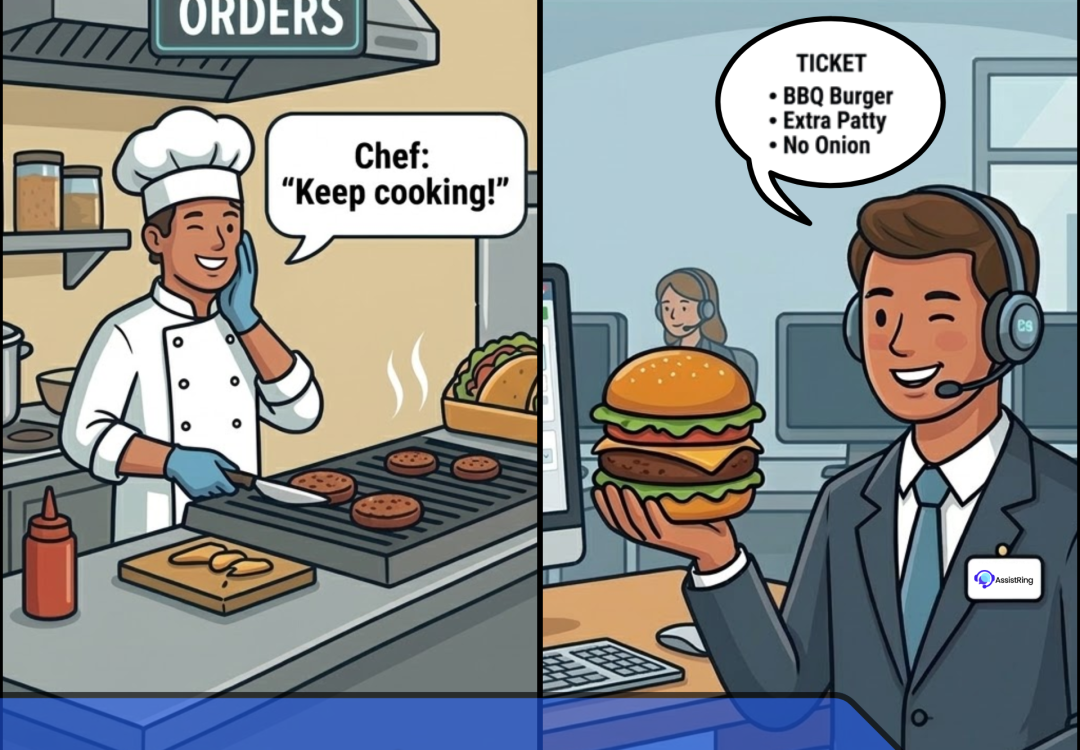
In the high-velocity world of modern retail, the bottleneck between a customer clicking “Buy” and receiving their package is often where growth dies. When orders are processed manually or via siloed systems, errors compound, shipping delays multiply, and customer loyalty evaporates. The solution lies in optimizing your backend workflow. Implementing seamless order taking is no longer just a luxury for enterprise giants; it is the fundamental engine that allows growing e-commerce brands to scale without sacrificing quality.
Why Order Accuracy Dictates Your Bottom Line
For C-suite executives, every order represents more than revenue—it represents a promise. When that promise is broken due to entry errors or system lags, the cost of acquisition is wasted. By prioritizing seamless order taking, companies can automate the flow of data from the digital storefront directly into the warehouse, effectively eliminating the friction that leads to cart abandonment and return processing overhead.
The True Cost of Manual Processing
Manual data entry is prone to human error, which typically costs a business 3% to 5% of its total revenue through returns, re-ships, and administrative labor. Transitioning to seamless order taking mitigates these risks, ensuring that your inventory counts are always accurate and your fulfillment teams are working with verified data.
Internal Management vs. Outsourced Solutions
Understanding where to house your operations is the first step toward optimization. Below is a comparison to help you evaluate your current infrastructure.
| Feature | Internal Order Management | Outsourced Seamless Order Taking |
| Scalability | High overhead to hire/train | On-demand elasticity |
| Tech Integration | Requires constant IT maintenance | Pre-integrated API/ERP stacks |
| Focus | Distracts from core product growth | Expert-led core competency |
| Cost Structure | High fixed costs | Variable/Performance-based |
| Risk | Human error potential high | Professional QA processes |
Achieving Omnichannel Excellence Through Automation
Modern customers engage with brands across social commerce, marketplaces, and proprietary websites. If your systems do not talk to each other, you have a data visibility problem.
What is the role of API/ERP integration in order fulfillment?
Integrating your customer service platform with your ERP (Enterprise Resource Planning) system is the bedrock of seamless order taking. When your CRM, inventory system, and logistics platforms communicate via API in real-time, order status updates become instantaneous, and inventory levels are adjusted automatically, preventing the dreaded “overselling” scenario.
Scaling with Omnichannel Support
To achieve seamless order taking across channels, your BPO partner acts as a unified hub. By centralizing the intake of orders from Amazon, Shopify, and social media platforms, you ensure that every customer receives the same high-level experience regardless of where they place their order.
Best Practices for Operational Excellence
Efficiency is not a one-time project; it is a discipline. If you are looking to audit your current workflow, follow this checklist to ensure your operations remain lean.
- Automate Data Validation: Use middleware to verify addresses and stock availability at the point of sale.
- Centralize Customer Data: Ensure that seamless order taking protocols allow agents to see a customer’s full history instantly.
- Implement Real-Time Inventory Sync: Link your warehouse management system (WMS) to your storefront.
- Prioritize QA Loops: Even with automation, periodic human auditing of order patterns is essential.
- Invest in Scalable Staffing: Partner with experts who specialize in seamless order taking to handle seasonal surges.
Reducing Human Error and Boosting ROI
Human error is the silent killer of e-commerce margins. From mistyped shipping addresses to incorrect SKU entries, these small mistakes create a ripple effect that requires expensive manual intervention to fix.
How does outsourcing reduce operational costs?
By leveraging a BPO partner focused on seamless order taking, you replace manual, error-prone workflows with hardened, automated processes. This shift reduces the “Cost Per Order,” allowing your internal teams to focus on strategy, product development, and brand marketing rather than administrative data entry.
Furthermore, seamless order taking drastically improves the “Time to Ship” metric. When order data is clean, the warehouse team can begin the picking and packing process minutes after the transaction is completed, creating a competitive advantage that rivals the delivery speeds of the largest global retailers.
The Future of Order Management
The market is shifting toward a model where the customer expects instant gratification. Brands that fail to implement seamless order taking strategies will find themselves struggling to compete on delivery timelines and customer satisfaction scores. Whether you are scaling to your first million or optimizing a global enterprise, the underlying principle remains the same: simplify the path from purchase to delivery.
By adopting seamless order taking as a core operational pillar, you unlock the ability to scale your business sustainably. It is time to move past the bottlenecks and build a future-proof foundation for your brand.
Partner With Experts for Sustainable Growth
Are you ready to transform your backend operations and focus on what you do best? Our BPO solutions are designed to integrate directly with your existing tech stack, providing the scalability and accuracy your brand deserves.
Schedule a consultation today to discover how our team can implement a strategy for seamless order taking that reduces your overhead and increases customer satisfaction by up to 30%.